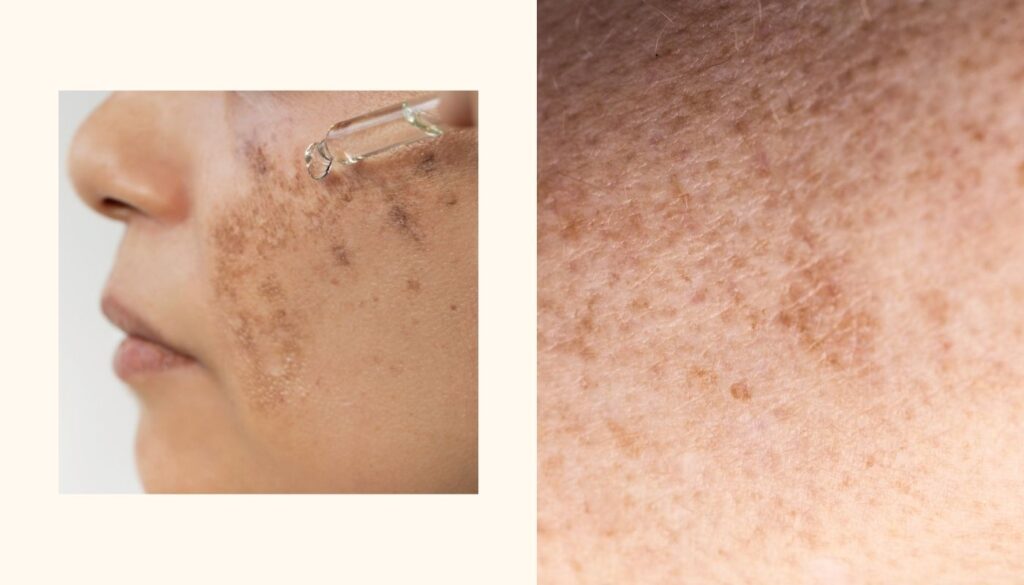
Hyperpigmentation is one of those things that can sneak up on you—like sunburn after a beach day or that pimple mark that just won’t quit. Whether it’s faint freckles you love or stubborn dark patches you don’t, understanding what’s behind those spots is the first step to getting your glow back. At Facial Care Centre (FCC), we believe that when you know your skin, you can give it exactly what it needs—because you deserve to love the face looking back at you.
What is Hyperpigmentation?
Hyperpigmentation is a fancy way of saying your skin’s melanin factory went into overdrive. Melanin is what gives your skin its color, but when your skin is stressed—be it from sun, hormones, or breakouts—it produces more than you need. The result? Dark spots, patches, and uneven skin tone. It’s harmless, but we get it—it can make you feel like you need to pile on the concealer. Knowing what type of hyperpigmentation you’re dealing with is key to finding the right treatment.
The Common Types of Hyperpigmentation
Post-Inflammatory Hyperpigmentation (PIH)
Ever had a breakout that left its mark long after the pimple was gone? That’s PIH. It’s those dark spots that show up after your skin has been through something—like acne, eczema, or even an overzealous facial. It’s particularly common in people with medium to dark skin tones, thanks to their higher melanin levels. Studies suggest that 65% of acne sufferers develop PIH if they pick at their skin or skip proper treatment.
What Causes It?
- Acne breakouts
- Eczema or psoriasis flare-ups
- Burns, cuts, or harsh treatments
Real Talk: PIH fades over time, but without the right care, it can stick around for months.
Melasma
Meet melasma, the so-called “pregnancy mask.” It shows up as symmetrical brown or grayish patches, usually across your cheeks, forehead, or upper lip. Hormones are the main culprit—pregnancy, birth control, or hormone therapy can all trigger it. And the sun? It makes everything worse. It’s most common in women with medium to deep skin tones (Fitzpatrick types III to VI).
What Causes It?
- Pregnancy
- Birth control pills
- Hormonal therapy
- Sun exposure
What You Need to Know: Melasma can be persistent and loves to come back if you’re not religious about sun protection. Treating it takes patience, the right mix of professional treatments, and daily SPF.
Sunspots (Solar Lentigines)
Also called age spots (but we prefer the term sunspots), these flat, brown spots pop up after years of sun worship. They’re common on your face, hands, and chest—the places that soak up the most rays. While they tend to appear as you age, they’re really a reminder of all those times you forgot sunscreen.
What Causes It?
- Years of sun exposure
- Aging
Insider Tip: Prevention is everything—daily SPF 30+ can reduce new spots by up to 80%.
Freckles (Ephelides)
Freckles can be cute, but they’re still a form of pigmentation. They’re genetic and tend to show up on fair-skinned individuals, especially after sun exposure. They darken in the summer and fade a bit in winter.
What Causes It?
- Genetics
- Sun exposure
Good to Know: Freckles are usually harmless, but if you want to soften their appearance, gentle brightening treatments can help.
Café-au-Lait Macules
These are flat, coffee-colored patches you might’ve had since childhood. They’re harmless birthmarks caused by a cluster of overactive melanocytes (the cells that make melanin).
What Causes It?
- Genetics
When to Check: If you have several large café-au-lait spots, it’s a good idea to see a dermatologist, as it can sometimes indicate an underlying condition.
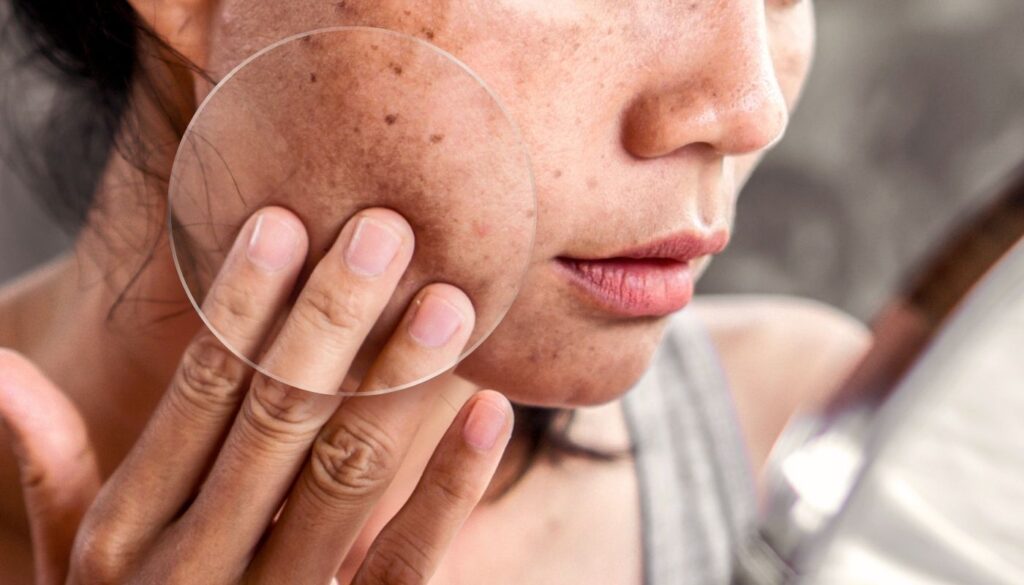
What Makes Hyperpigmentation Worse?
Sun Exposure
The number one offender. UV rays tell your skin to make more melanin, darkening existing spots and inviting new ones. Studies show that wearing sunscreen daily can cut the risk of new pigmentation by 80%. Don’t leave home without it.
Hormonal Changes
Estrogen and progesterone can kick melanin production into overdrive. That’s why melasma is so common during pregnancy or when using birth control.
Skin Trauma
Picking at pimples, over-exfoliating, or undergoing harsh treatments can lead to inflammation, which triggers excess melanin production.
Medications & Health Conditions
Some antibiotics, chemotherapy, and even conditions like Addison’s disease can leave your skin darker in patches.
How to Treat Hyperpigmentation: Professional Solutions at FCC
At Facial Care Centre, we believe one-size-fits-all is for hats, not skin. Every pigmentation concern is different, which is why we tailor our treatments to suit your skin’s story.
RevLite: Precision Pigment Removal
Consider RevLite your magic eraser for sunspots, acne marks, and melasma. This cutting-edge laser uses light energy to break up dark pigment beneath the skin, revealing clearer, more even-toned skin.
Why You’ll Love It:
- Fades stubborn pigmentation
- Smooths and brightens skin
- Reduces sun damage
Diamond Ultra Peel: Gentle Yet Effective Exfoliation
This isn’t your average scrub. The Diamond Ultra Peel buffs away dead skin, unclogs pores, and helps fade superficial dark spots—all without irritating your skin.
Why You’ll Love It:
- Evens out skin tone
- Refines texture
- Reveals your glow
The Bottom Line: Prevention + Treatment = Radiance
Sun protection is your everyday armor, but when you need extra help, FCC’s expert treatments can lighten the load—literally. Because you deserve skin that makes you feel confident, no filter needed.
Ready to take the next step? Book your consultation today.