What are the signs that you are dealing with uneven skin pigmentation?
- Dark Spots (Hyperpigmentation)
- Redness (Erythema)
- Light Spots (Hypopigmentation)
- Blotchy or Patchy Skin
- Dark Circles
Overview
- This article explains the common signs of uneven skin pigmentation, including dark spots, redness, light spots, blotchy skin, and dark circles.
- It covers causes such as sun exposure, hormonal changes, acne, and post-inflammatory effects.
- Facial Care Centre offers personalized assessments and treatments, like peels and laser therapy, to restore an even, healthy complexion.
Healthy skin results from genetics, lifestyle, and environmental factors. Daily exposure to sun, stress, and hormonal changes can subtly affect tone and texture. Over time, some areas may appear lighter or darker than others.
These natural variations are normal, and understanding them helps you care for your skin effectively. To help identify the common signs of uneven skin pigmentation, in this article, we’ll take a closer look at these signs and explain why they may appear, providing information to help you better understand your skin.
Dark Spots (Hyperpigmentation)
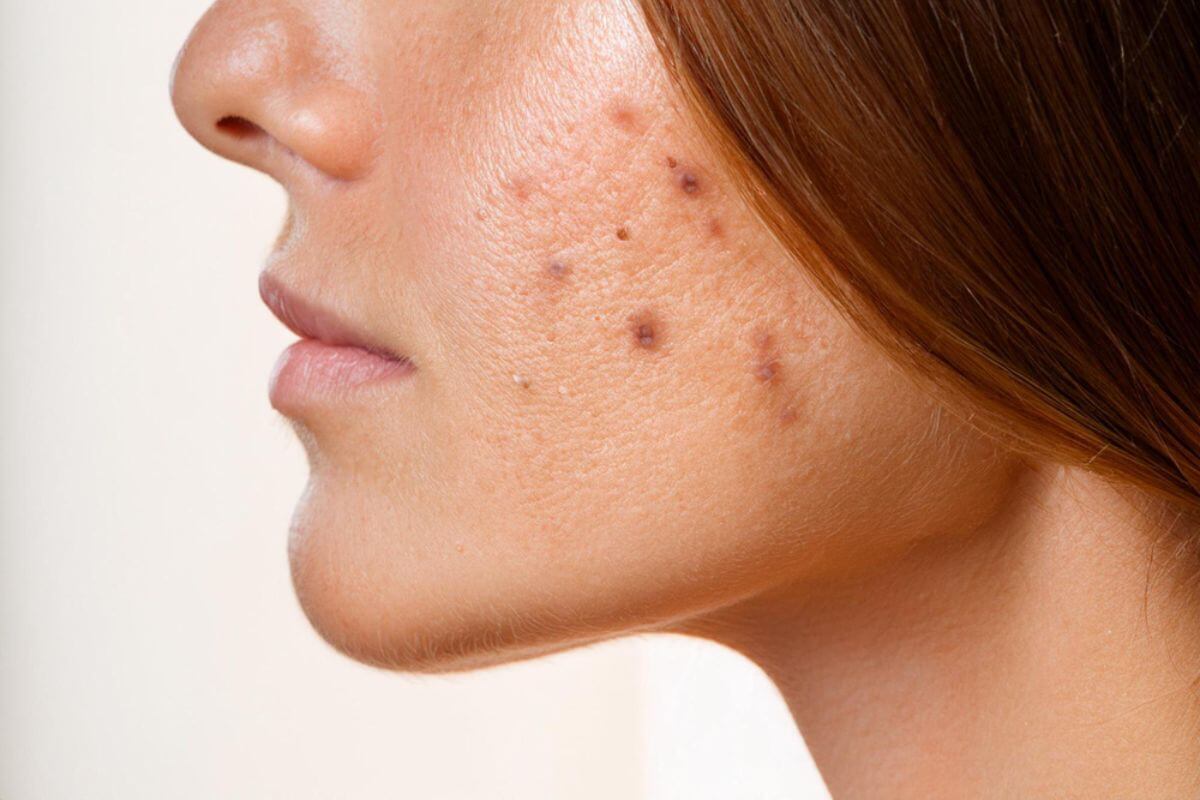
Dark spots, or hyperpigmentation, appear as localized areas that are darker than the surrounding skin. They tend to form in specific patches rather than affecting the complexion evenly.
Hyperpigmentation occurs when melanin increases due to sun exposure, hormonal changes, or acne-related inflammation. Pigment builds gradually, making spots more noticeable over time.
Unlike temporary redness or shadows, true dark spots have consistent color and defined edges under any lighting. Common signs include:
- Brown or black spots on the skin
- Areas darker than the surrounding skin
- Spots that may increase in size or number over time
Redness (Erythema)
Redness, or erythema, appears as pink to red areas from increased blood flow and inflammation. It can result from heat, friction, skincare, or acne irritation. Redness may fade quickly or persist, and its intensity can vary throughout the day, making it distinct from pigment changes. Common signs include:
- Red patches on the skin
- Flushing or warmth in affected areas
- Redness that lingers or recurs in the same spots
Light Spots (Hypopigmentation)
Light spots, or hypopigmentation, appear as paler areas caused by reduced or disrupted pigment production. They often follow skin injury, inflammation, or acne healing, and become more noticeable when the surrounding skin darkens from sun exposure. Unlike dryness or residue, true light spots remain visible on well-moisturized, clean skin. Common signs include:
- Lighter or white patches on the skin
- Areas paler than the surrounding skin
- Spots appearing after skin trauma or inflammation
Blotchy or Patchy Skin
Blotchy or patchy skin appears when areas of the skin show uneven tone across a wider surface. Instead of isolated spots, the complexion may look inconsistent, with subtle shifts in color from one area to another.
This unevenness can result from a combination of factors rather than a single cause. Mild pigmentation changes, temporary redness, sun exposure, or lifestyle-related stress can all influence how uniform the skin looks at a given time.
Because these changes are often subtle, blotchiness may be more noticeable under certain lighting or after environmental exposure, rather than appearing the same way throughout the day. Signs of blotchy or patchy skin include:
- Irregular skin tone with mixed shades
- Areas that appear uneven rather than clearly spotted
- Changes in tone that seem inconsistent across the skin
Dark Circles
Dark circles are darker areas under the eyes, where thin skin makes color changes more visible. They can result from pigment, visible blood vessels, or natural shadows, sometimes appearing pronounced even when the overall skin tone is even.
Because the under-eye area responds differently from the rest of the face, dark circles often stand out as a separate concern rather than blending into general pigmentation patterns. Common signs include:
- Darkened or shadowed under-eye areas
- Discoloration localized beneath the eyes
- Appearance that varies depending on lighting or facial structure
Related Conditions
Uneven skin tone can sometimes be influenced by conditions beyond simple pigment changes. Knowing about these related conditions can make it easier to understand why some areas of your skin look different from others.
Post-Inflammatory Hyperpigmentation (PIH)
Post-inflammatory hyperpigmentation (PIH) happens when dark spots form after the skin experiences irritation, such as acne or eczema. The affected areas produce extra pigment as they heal, leaving noticeable patches. These spots can linger even after the original inflammation has settled.
Post-Inflammatory Erythema (PIE)
Post-inflammatory erythema (PIE) shows up as pink or red marks that remain after skin inflammation. Unlike dark spots, PIE comes from blood vessels rather than pigment. It’s often seen in sensitive or acne-prone skin and usually fades gradually over time.
Rosacea
Rosacea is a chronic condition that causes persistent redness and visible blood vessels, especially across the central face. Stress, heat, or environmental triggers can make it more noticeable. Its redness can sometimes be mistaken for uneven pigmentation, even when pigment itself isn’t the issue.
Infections
Certain skin infections can leave behind uneven tones after healing. Inflammation or scarring may create lighter or darker patches depending on how the skin recovers. These changes may appear subtle at first, but can persist without proper care.
Find the Right Treatment for Your Skin at Facial Care Centre
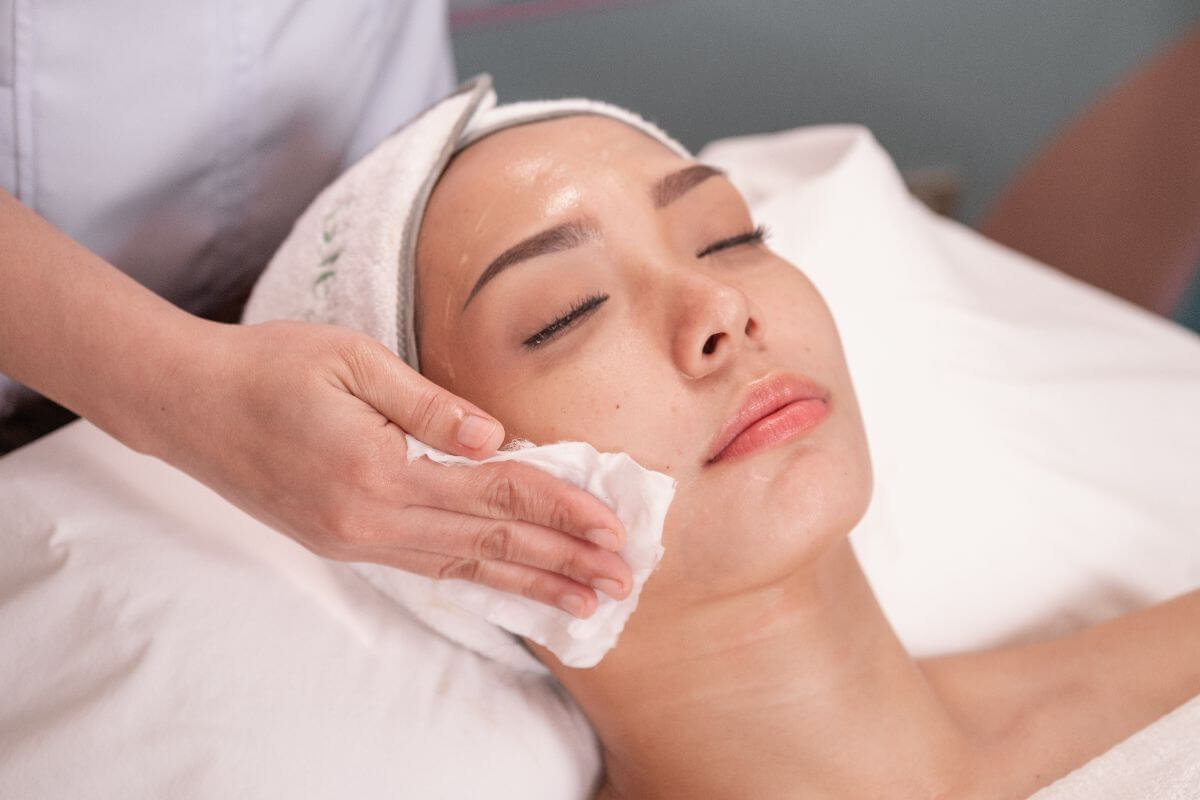
Recognizing the signs of uneven skin pigmentation is the first step toward healthier, more radiant skin. At Facial Care Centre, we provide personalized assessments to identify underlying causes and recommend treatments tailored to your skin.
With multiple branches across the Philippines, our clinics offer options such as Diamond Ultra Peel, chemical peels, and RevLite laser treatments, all designed to gently restore an even skin tone while maintaining skin health.
Key Takeaway
With a better understanding of these signs, you can ensure that you can take informed steps toward caring for your skin and addressing uneven pigmentation early.
Treat uneven pigmentation with Facial Care Centre’s targeted skin therapies. Our specialists evaluate your skin and recommend personalized treatments to restore an even, radiant complexion. Contact us today or book a consultation to find the best option for your skin.