Overview
- Skin lightening has deep cultural roots in the Philippines, but modern treatments require proper preparation for best results.
- Whitening products with actives like hydroquinone, retinoids, AHAs, and BHAs should be stopped 1–2 weeks before clinic visits to reduce sensitivity, ensure accurate diagnosis, and prevent complications during professional procedures.
In the Philippines, skin lightening has been part of beauty routines for generations, shaped by a long history where lighter skin was tied to privilege and reinforced by cultural and media influences. What began as a marker of status eventually became a widely available commodity.
For many, especially professionals, these products promise a brighter, more even complexion. Yet with today’s advances in dermatology, topical creams often fall short of long-term goals, which is why some people turn to clinic-based options.
But before booking that appointment, you may wonder: should you stop using whitening products before your clinic visit? In this article, we’ll help you understand why pressing pause can make a difference in preparing your skin for safer, more effective treatments.
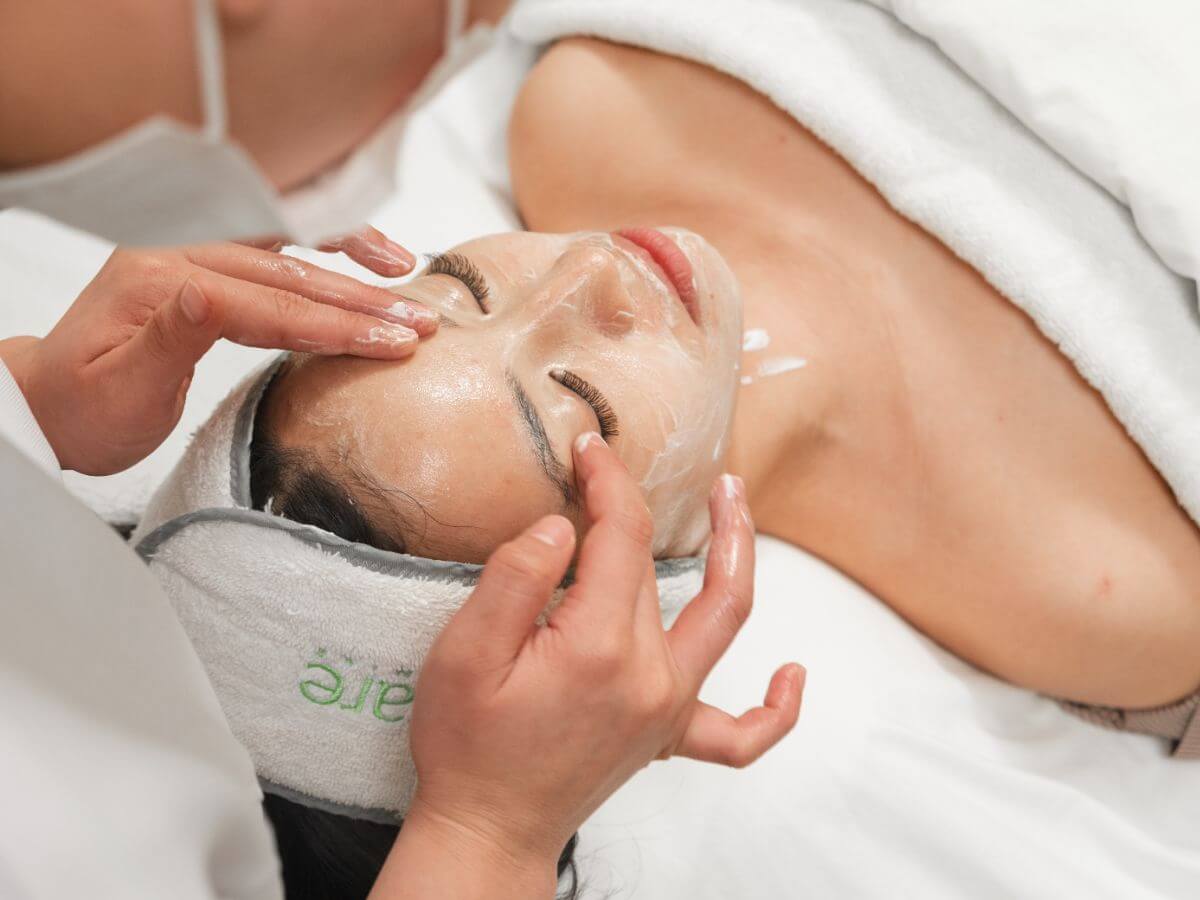
Lightening products (also known as bleaching creams, whiteners, skin brighteners, or fading creams) commonly contain actives such as hydroquinone, vitamin C, alpha arbutin, kojic acid, or exfoliants like glycolic acid. These ingredients slow melanin production or speed cell turnover, which can fade dark spots and brighten tone. Over time, however, they can also thin the skin’s outer layer or increase sensitivity.
Because professional procedures require a predictable, stable skin baseline, that increased sensitivity matters: a skin that’s thinner or inflamed is more likely to react during peels, lasers, or other in-clinic treatments, which is why preparing your skin ahead of time helps everyone get better results.
Put simply, what you apply at home changes how your skin looks and how it behaves. Pausing certain products gives your practitioner the clearest view of your natural skin and reduces avoidable risks during treatment.
Brightening actives can leave skin more reactive—more prone to redness, stinging, or irritation during procedures such as laser therapy or peels. A brief rest period lets the skin calm and lowers the chance of discomfort.
Topical lightening agents can mask or shift pigmentation and texture, making it harder to assess the underlying issue. Stopping them before an evaluation helps your clinician make a precise diagnosis and choose the most suitable approach.
Some ingredients can interact with in-clinic procedures. For example, using certain bleaching agents close to laser treatments can raise the risk of post-treatment pigment changes. Allowing a buffer minimizes such interactions.
Many lightening products promote cell turnover; used near the appointment date, they can cause dryness or flaking. That can interfere with treatment application and affect outcomes, so a short pause is often helpful.
Timing your pause is also essential. But when exactly should you stop using whitening products before your clinic visit?
It is generally recommended to stop using products with active ingredients such as hydroquinone, retinoids, alpha hydroxy acids (AHAs), and beta hydroxy acids (BHAs) at least one to two weeks before your clinic visit or laser session. These ingredients can thin the skin, increase sensitivity, and raise the risk of irritation, redness, or burns when paired with laser or other intensive treatments.
If you use stronger actives such as prescription retinoids, oral agents, or potent bleaching formulas, inform your doctor during your consultation. They may recommend a longer break to ensure the procedure is both safe and effective.
The final week before a clinic visit is about stability: gentle care, consistent protection, and avoiding anything that could unnecessarily sensitize your skin. These small steps help your treatment go smoothly.
Pause the use of lightening creams, serums, and potent actives such as retinoids, AHAs, BHAs, and bleaching agents during the week leading up to your visit. This short break helps reduce skin sensitivity and lowers the risk of irritation during treatment.
Use a mild, fragrance-free cleanser and avoid physical scrubs or at-home peels. Let your skin’s natural barrier recover so the clinician sees a calm, accurate baseline.
Daily SPF 30+ is essential, especially after pausing activities. Sun protection prevents worsening pigmentation and supports a more even, resilient skin surface ahead of treatment.

Facial Care Centre is your trusted partner for skin brightening treatments. With branches across Metro Manila, Cebu, and Pampanga, we offer consultations that assess your skin, review home products, and recommend the right timing for pausing lightening treatments so procedures are safe and effective.
During your visit, we’ll review your products and history, explain any necessary pause period, and outline a tailored plan—so you don’t have to guess what’s best for your skin.
Some of our lightening treatments include:
Understanding the timing and effects of these products empowers you to approach your appointment confidently and get the most from your professional treatment. At Facial Care Centre, we provide expert guidance to ensure your skin treatments deliver the best possible results.
If you’re considering whether to pause whitening products before your visit, our dermatologists can advise you on the safest approach. Schedule your consultation today for care tailored to your skin’s needs.
Share this article


Latest Blogs

What to Know About Facelift Treatments from a Skin Clinic in the Philippines
Can Laser Therapy Help Old Scars Fade?

How to Tell If It’s Time to Try a Face Lifting and Firming Treatment

Discover Common Skin Whitening Myths and How They Are Debunked
Follow Us


Results you can see and feel
Book A ConsultationExperience skincare that is more than skin deep. Consult with us today.
© 2026. Facial Care Centre. All rights reserved.


Leave a Reply